
Instrumentation, Op Amps, Buffer Amps
| Photo | Mfr. Part # | Availability | Quantity | Datasheet | Series | Package/Case | Packaging | Product Status | Amplifier Type | Number of Circuits | Output Type | Slew Rate | Gain Bandwidth Product | -3db Bandwidth | Current - Input Bias | Voltage - Input Offset | Current - Supply | Current - Output / Channel | Voltage - Supply Span (Min) | Voltage - Supply Span (Max) | Operating Temperature | Grade | Qualification | Mounting Type | Supplier Device Package |
|---|---|---|---|---|---|---|---|---|---|---|---|---|---|---|---|---|---|---|---|---|---|---|---|---|---|
|
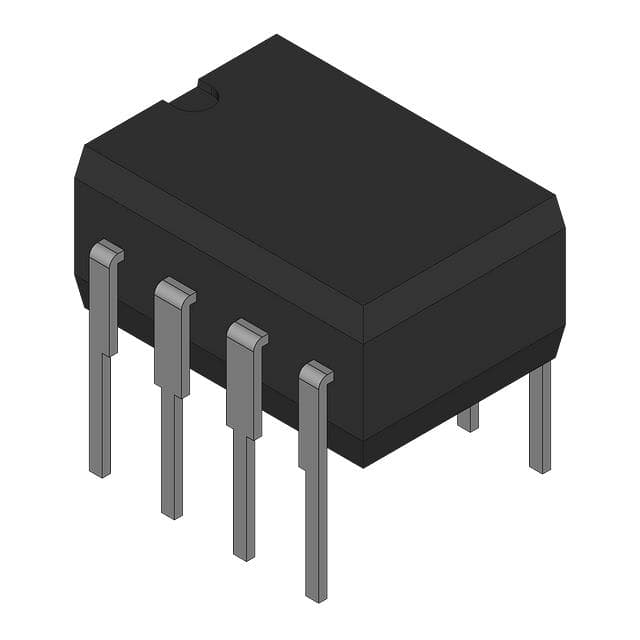
TLE2021MJGIC OPAMP GP 1 CIRCUIT 8CDIP |
193 |
|

Datasheet |
- | 8-CDIP (0.300", 7.62mm) | Bulk | Active | General Purpose | 1 | - | 0.65V/µs | 2 MHz | - | 25 nA | 120 µV | 200µA | 20 mA | 4 V | 40 V | -55°C ~ 125°C | Automotive | AEC-Q100 | Through Hole | 8-CDIP |
|
|
TLE2161MJGBIC OPAMP JFET 1 CIRCUIT 8CDIP |
154 |
|
Datasheet |
Excalibur™ | 8-CDIP (0.300", 7.62mm) | Bulk | Active | J-FET | 1 | - | 10V/µs | 6.4 MHz | - | 4 pA | 600 µV | 290µA | 80 mA | 7 V | 36 V | -55°C ~ 125°C (TA) | - | - | Through Hole | 8-CDIP |
|
|
TLE2061BMJGBIC OPAMP JFET 1 CIRCUIT 8CDIP |
286 |
|
Datasheet |
- | 8-CDIP (0.300", 7.62mm) | Bulk | Active | J-FET | 1 | - | 3.4V/µs | 2 MHz | - | 4 pA | 300 µV | 290µA | 80 mA | 7 V | 36 V | -55°C ~ 125°C (TA) | - | - | Through Hole | 8-CDIP |
|
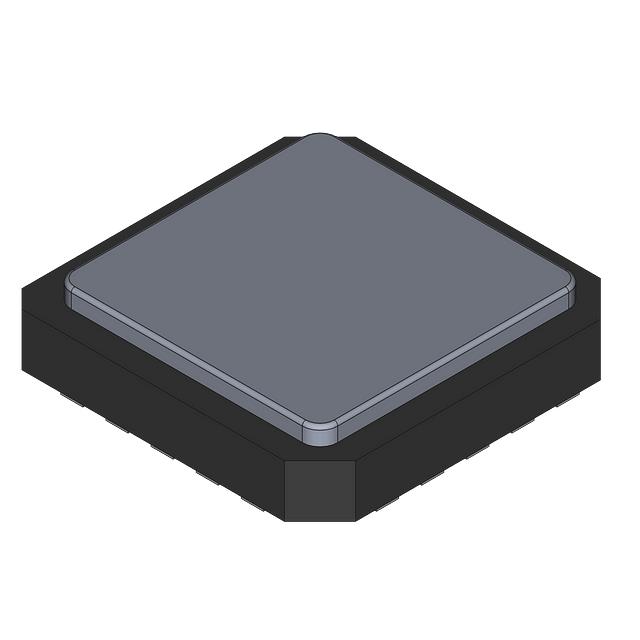
5962-9080701M2AIC OPAMP JFET 1 CIRCUIT 20LCCC |
253 |
|
Datasheet |
- | 20-CLCC | Bulk | Active | J-FET | 1 | - | 3.4V/µs | 2 MHz | - | 4 pA | 600 µV | 290µA | 80 mA | 7 V | 36 V | -55°C ~ 125°C (TA) | - | - | Surface Mount | 20-LCCC (8.89x8.89) |
|
|
TLE2061MFKBIC OPAMP JFET 1 CIRCUIT 20LCCC |
148 |
|
Datasheet |
- | 20-CLCC | Bulk | Active | J-FET | 1 | - | 3.4V/µs | 2 MHz | - | 4 pA | 600 µV | 290µA | 80 mA | 7 V | 36 V | -55°C ~ 125°C (TA) | - | - | Surface Mount | 20-LCCC (8.89x8.89) |
|
|
TLC2652MJGIC OPAMP ZER-DRIFT 1CIRC 8CDIP |
216 |
|
Datasheet |
LinCMOS™ | 8-CDIP (0.300", 7.62mm) | Bulk | Active | Chopper (Zero-Drift) | 1 | Single-Ended | 3.1V/µs | 1.9 MHz | - | 4 pA | 0.6 µV | 1.5mA | 50 mA | 3.8 V | 16 V | -55°C ~ 125°C | - | - | Through Hole | 8-CDIP |
|
|
5962-9564003QPAIC OPAMP GP 2 CIRCUIT 8CDIP |
230 |
|
Datasheet |
LinCMOS™ | 8-CDIP (0.300", 7.62mm) | Bulk | Active | General Purpose | 2 | Rail-to-Rail | 0.12V/µs | 210 kHz | - | 1 pA | 200 µV | 80µA (x2 Channels) | 50 mA | 4.4 V | 16 V | -55°C ~ 125°C (TA) | Automotive | AEC-Q100 | Through Hole | 8-CDIP |
|
|
TLC2252AMJGBIC OPAMP GP 2 CIRCUIT 8CDIP |
230 |
|
Datasheet |
LinCMOS™ | 8-CDIP (0.300", 7.62mm) | Bulk | Active | General Purpose | 2 | Rail-to-Rail | 0.12V/µs | 210 kHz | - | 1 pA | 200 µV | 80µA (x2 Channels) | 50 mA | 4.4 V | 16 V | -55°C ~ 125°C (TA) | Automotive | AEC-Q100 | Through Hole | 8-CDIP |
|
|
5962-9088101MPAIC OPAMP GP 1 CIRCUIT 8CDIP |
118 |
|
Datasheet |
- | 8-CDIP (0.300", 7.62mm) | Bulk | Active | General Purpose | 1 | - | 0.65V/µs | 2 MHz | - | 25 nA | 120 µV | 200µA | 20 mA | 4 V | 40 V | -55°C ~ 125°C | Automotive | AEC-Q100 | Through Hole | 8-CDIP |
|
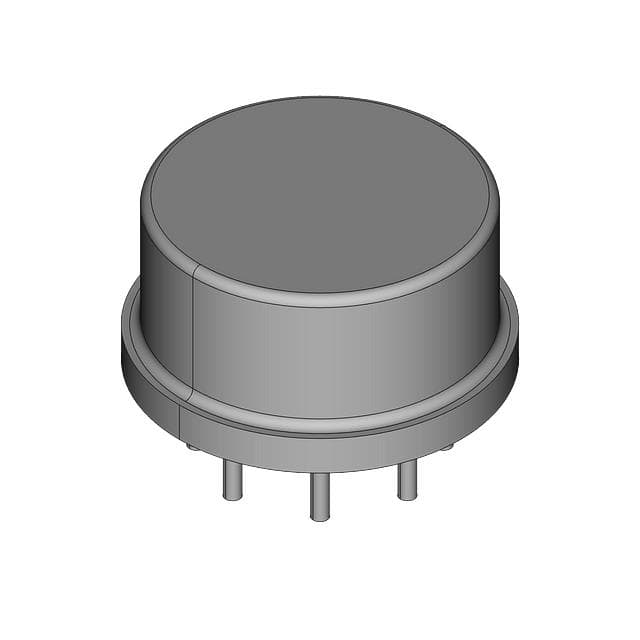
JL156BGAIC OPAMP JFET 1 CIRCUIT TO99-8 |
220 |
|
Datasheet |
- | TO-99-8 Metal Can | Bulk | Active | J-FET | 1 | - | 7.5V/µs | 5 MHz | - | 60 nA | 7 mV | - | 50 mA | 10 V | 40 V | -55°C ~ 125°C (TA) | - | - | Through Hole | TO-99-8 |
|
|
5962-9460205QPAIC OPAMP JFET 2 CIRCUIT 8CDIP |
769 |
|
Datasheet |
- | 8-CDIP (0.300", 7.62mm) | Bulk | Active | J-FET | 2 | - | 45V/µs | 10 MHz | - | 20 pA | 700 µV | 3.1mA (x2 Channels) | 48 mA | 4.5 V | 38 V | -55°C ~ 125°C (TA) | - | - | Through Hole | 8-CDIP |
|
|
TLE2061AMJGBIC OPAMP JFET 1 CIRCUIT 8CDIP |
165 |
|
Datasheet |
- | 8-CDIP (0.300", 7.62mm) | Bulk | Active | J-FET | 1 | - | 3.4V/µs | 2 MHz | - | 4 pA | 500 µV | 290µA | 80 mA | 7 V | 36 V | -55°C ~ 125°C (TA) | - | - | Through Hole | 8-CDIP |
|
|
5962-9080702QPAIC OPAMP JFET 1 CIRCUIT 8CDIP |
138 |
|
Datasheet |
- | 8-CDIP (0.300", 7.62mm) | Bulk | Active | J-FET | 1 | - | 3.4V/µs | 2 MHz | - | 4 pA | 500 µV | 290µA | 80 mA | 7 V | 36 V | -55°C ~ 125°C (TA) | - | - | Through Hole | 8-CDIP |
|
|
TLC2262AMJGBIC CMOS 2 CIRCUIT 8CDIP |
227 |
|
Datasheet |
LinCMOS™ | 8-CDIP (0.300", 7.62mm) | Bulk | Active | CMOS | 2 | Rail-to-Rail | 0.55V/µs | 730 kHz | - | 1 pA | 300 µV | 425µA (x2 Channels) | 50 mA | 4.4 V | 16 V | -55°C ~ 125°C | Automotive | AEC-Q100 | Through Hole | 8-CDIP |
|
|
5962-9469203QPAIC CMOS 2 CIRCUIT 8CDIP |
205 |
|
Datasheet |
LinCMOS™ | 8-CDIP (0.300", 7.62mm) | Bulk | Active | CMOS | 2 | Rail-to-Rail | 0.55V/µs | 730 kHz | - | 1 pA | 300 µV | 425µA (x2 Channels) | 50 mA | 4.4 V | 16 V | -55°C ~ 125°C | Automotive | AEC-Q100 | Through Hole | 8-CDIP |
|
|
ICL7621AMTVOPERATIONAL AMPLIFIER, 2 FUNC, 3 |
300 |
|
Datasheet |
- | TO-99-8 Metal Can | Bulk | Active | CMOS | 2 | - | 0.16V/µs | 480 kHz | - | 1 pA | 15 mV | 100µA (x2 Channels) | - | 2 V | 16 V | 0°C ~ 70°C | - | - | Through Hole | TO-99-8 |
|
|
5962-9851501Q2AIC OPAMP JFET 2 CIRCUIT 20LCCC |
140 |
|
Datasheet |
- | 20-CLCC | Bulk | Active | J-FET | 2 | - | 13V/µs | 3 MHz | - | 30 pA | 3 mV | 1.4mA (x2 Channels) | 40 mA | 10 V | 30 V | -55°C ~ 125°C (TA) | Automotive | AEC-Q100 | Surface Mount | 20-LCCC (8.89x8.89) |
|
|
5962-9469401MPAHA7-2842 - WIDEBAND, HIGH SLEW R |
249 |
|
Datasheet |
- | 8-DIP (0.300", 7.62mm) | Bulk | Active | General Purpose | 1 | - | 350V/µs | 70 MHz | - | 10 µA | 4 mV | - | 100 mA | 24 V | 30 V | -55°C ~ 125°C | - | - | Through Hole | 8-PDIP |
|
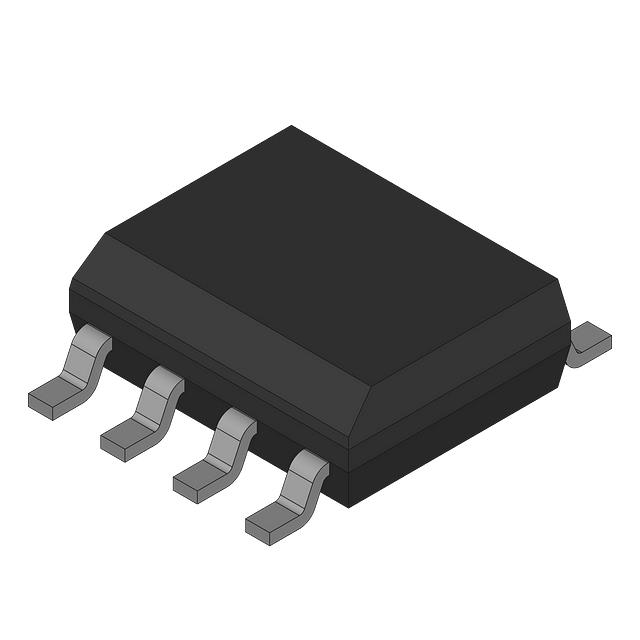
5962-9555201NXDRIC CMOS 2 CIRCUIT 8SOIC |
7,401 |
|
Datasheet |
- | 8-SOIC (0.154", 3.90mm Width) | Bulk | Active | CMOS | 2 | Rail-to-Rail | 3.6V/µs | 2.25 MHz | - | 1 pA | 300 µV | 2.4mA (x2 Channels) | 50 mA | 4.4 V | 16 V | -55°C ~ 125°C (TA) | Automotive | AEC-Q100 | Surface Mount | 8-SOIC |
|
|
TLC2201MFKBIC CMOS 1 CIRCUIT 20LCCC |
999 |
|
Datasheet |
- | 20-CLCC | Bulk | Active | CMOS | 1 | Rail-to-Rail | 2.9V/µs | 1.9 MHz | - | 4 µA | 2 mV | 5.6mA | 50 mA | 4.6 V | 16 V | -55°C ~ 125°C | - | - | Surface Mount | 20-LCCC (8.89x8.89) |
Instrumentation, Op Amps, Buffer Amps Electronic Components Sourcing and Lifecycle Support
FPGAX is a global sourcing partner specializing in FPGA and programmable logic solutions for engineering and manufacturing organizations worldwide. For customers sourcing Instrumentation, Op Amps, Buffer Amps components, we support both current production requirements and long-term component availability across demanding product lifecycles.
Our sourcing approach combines traceability, supply stability, and technical coordination. FPGAX is certified to AS9120B, ISO 9001:2008, and ISO 14001 standards and supports procurement programs where continuity, documentation, and dependable component supply are important.
How FPGAX Supports Instrumentation, Op Amps, Buffer Amps Requirements
- Active component sourcing: support for current FPGA, programmable logic, and related semiconductor requirements.
- End-of-life sourcing: assistance with obsolete and hard-to-find parts when designs must remain in production.
- Lifecycle management: sourcing support during product transitions, allocation periods, and supply interruptions.
- Design continuity: long-term supply support intended to reduce redesign pressure and production disruption.
- Major programmable logic brands: sourcing coverage includes Xilinx, Intel/Altera, Lattice, Microchip, and QuickLogic.
Supply Support at a Glance
| Requirement | FPGAX Support |
| Current production | Active FPGA, programmable logic, and semiconductor component sourcing |
| Legacy programs | End-of-life and hard-to-find component sourcing |
| Supply continuity | Lifecycle transition and long-term availability support |
| Quality requirements | Traceable sourcing and quality-management processes |
Focused on FPGA and Programmable Logic Supply
FPGAX focuses on helping customers maintain access to critical programmable devices throughout the full component lifecycle. Whether the requirement is for a current design, an established production program, or an older platform facing component obsolescence, our goal is to provide a stable sourcing path and help customers maintain design and manufacturing continuity.
Instrumentation, Op Amps, Buffer Amps FAQ
Can FPGAX source both active and end-of-life Instrumentation, Op Amps, Buffer Amps components?
Yes. FPGAX supports sourcing for both active components and end-of-life or hard-to-find parts, with an emphasis on maintaining supply continuity for engineering and manufacturing programs.
Which programmable logic manufacturers does FPGAX support?
Our core sourcing coverage includes major FPGA and programmable logic manufacturers such as Xilinx, Intel/Altera, Lattice, Microchip, and QuickLogic, subject to specific part requirements and availability.
How does FPGAX help with component lifecycle changes?
We support customers through lifecycle transitions by helping locate current or legacy supply, reducing exposure to supply disruptions, and supporting long-term availability for designs that need to remain in production.
What quality and traceability standards does FPGAX follow?
FPGAX states certification to AS9120B, ISO 9001:2008, and ISO 14001 standards. Our sourcing services are structured around traceability, stable supply, and quality-management requirements.
What information should I provide for a Instrumentation, Op Amps, Buffer Amps sourcing request?
Providing the manufacturer part number, required quantity, target delivery schedule, and any lifecycle or traceability requirements helps us evaluate the sourcing request more efficiently.